
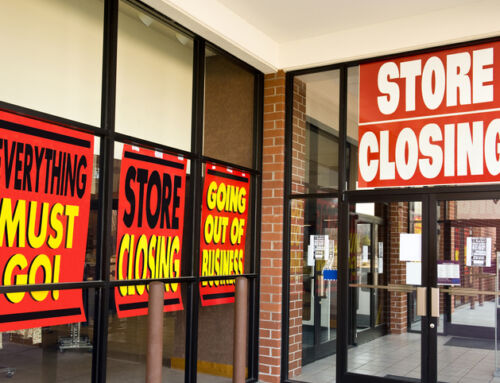
The rise of e-commerce and the steady decline of brick-and-mortar retail have created a seismic shift in how machinery values are determined. Retail store closures, which surged by 69% in 2024 according to CBS News, are not just headlines—they’re a sign of evolving economic priorities. As retail spaces close their doors, the logistics industry is stepping up to fill the void. This shift brings unique opportunities for machinery appraisers who can adapt to these changing market conditions.
Let’s explore how these transitions are impacting machinery values and creating new avenues for professional growth in the appraisal industry.
From Retail Oversupply to Logistics Demand
Retail store closures leave behind an abundance of machinery and equipment, flooding the secondary market. Point-of-sale (POS) systems, shelving, and refrigeration units, once essential to retail operations, often see a sharp decline in value due to oversupply. For example, auctions following Walmart store closures in 2024 showcased this phenomenon, with surplus equipment saturating the market (The Sun).
However, the story doesn’t end there. Many of these assets are finding new life in logistics and warehousing operations. Adaptable machinery, like storage racks and forklifts, retains or even increases its value as it transitions to support the booming e-commerce sector. For example, Walmart’s automation of 15 regional distribution centers in 2024 resulted in “twice the throughput with half the head count,” underscoring the increasing value of machinery used in such operations (Business Insider). Similarly, the global forklift rental market is projected to reach $8.17 billion by 2028, driven by the growing need for material handling equipment in warehouses and distribution centers (LiftOne). This dual impact highlights the need for appraisers to understand both oversupply challenges and new demand in logistics.
The Role of Logistics in Boosting Machinery Values
E-commerce growth has transformed logistics into a cornerstone of modern business, driving demand for warehouses and distribution centers. Machinery previously used in retail can often be repurposed for these facilities. For example, refrigeration units and conveyor systems are now in high demand for cold storage and automated sorting hubs.
This shift has also spurred the creation of new machinery categories specifically tailored for logistics operations, such as advanced warehouse robotics and IoT-enabled inventory systems. Appraisers who stay ahead of these trends can provide accurate valuations that reflect these new market dynamics.
Challenges in Evaluating Adaptable Machinery
While adaptable machinery presents opportunities, it also introduces complexities in valuation. Appraisers must consider:
- Dual-Purpose Markets: Machinery originally designed for retail may have a different value trajectory when repurposed for logistics.
- Depreciation Adjustments: Equipment that transitions to a new use may see altered depreciation timelines based on wear and adaptability.
- Market Nuances: Understanding specific industry needs (e.g., cold storage vs. general warehousing) is crucial for accurate appraisals.
By addressing these challenges, appraisers can position themselves as experts in evaluating machinery for emerging markets.
Opportunities for Professional Growth in Logistics Appraisal
The transition from retail to logistics isn’t just about machinery—it’s about appraisers evolving their skills and expertise to meet changing demands. Here’s how you can seize the opportunity:
- Specialized Knowledge: Build expertise in logistics-specific machinery, such as automated picking systems and warehouse management technology.
- NEBB Institute Resources: Leverage tools and education from the NEBB Institute to stay ahead in this niche market. The Certified Machinery and Equipment Appraiser (CMEA) designation ensures credibility and equips you with the skills needed to tackle these evolving challenges.
- Networking and Collaboration: Engage with other professionals in the NEBB Institute’s dynamic network to exchange insights and strategies.
Looking Ahead: Staying Competitive in a Dynamic Market
As the retail landscape continues to evolve, appraisers have an unprecedented opportunity to adapt and grow. By understanding shifts in machinery values and leveraging resources like those offered by the NEBB Institute, you can not only stay competitive but thrive in a rapidly changing market.
For more insights and tools to elevate your appraisal practice, visit the NEBB Institute’s about page.





Recent Comments