Public Procurement A Road Map for Change
PurchTips edition #428
Explore the Complete Concept of Public Procurement
Technology and shifts in the requirements of end users are just a couple of the demands placed on today’s procurement environments. The public procurement function is at the crossroads of these parameters. While Private Procurement can be defined in terms such as agile, high bottom-line impact, and total cost of ownership. Public Procurement requires a unique description, which we will examine in this article.
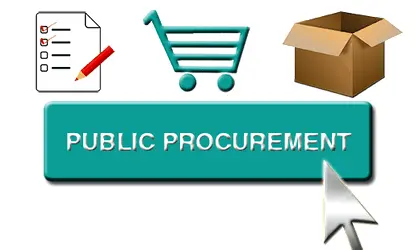
The public procurement process has its own peculiarities. The process is triggered by explicit needs and requirements which are followed in the following steps:
- Deployment of a procurement or buying plan and strategy
- Selection of suppliers and service providers to deliver the established needs and requirements
- Receipt of requisitions
- Pre-bid talks
- The issue of RFIs, RFQs, RFPs as required
- Receipt of bids
- Evaluation of bids and issue of recommendations
- Negotiation of terms, prices, and other variables
- Awarding of Contracts
This process resembles the private procurement process, but the culture and goals of the two environments are profoundly different. The mandate of private sector procurement is to support for-profit environments, whereas public procurement supports not for profit environments.
The following are perceptions of the public procurement process:
- Rigid: The reality is that time is of the essence in both public and private sector environments. Nevertheless, procurement practitioners are expected to adhere to strict timelines even if similar financials results can be achieved by adjusting timeframes.
- Bureaucratic: Redundancy and slow workflows, with large sums of non-value-added activities, delays and lengthy lead times.
- Culture: The spenders of public funds care less about the price tag than assuring that their public image remains without reproach.
Caveat: In many parts of the world, public procurement is viewed as equally open to corruption as the private sector, even with all the safeguards and redundancy. Many argue that public procurement systems are overly complexed by design to hide corruption.
Possible Solutions for the improvement of Public Procurement:
- Examine all, processes, people, technology, culture, and success measures.
- Evaluate what the end user of public services and products consider valuable.
- Simplify everything, remove process steps that do not add value.
- Leverage robust, easy to use technology. The key here is to get buy-in from the users and involve. them in decisions around the choice of technology.
- Think Blockchain and greater collaboration with vendors. Blockchain may revolutionize the way that modern public procurement works. This technology can help speed up public procurement processes and reduce corruption through heightened visibility.
- Think accountability of TOC (Total Cost of Ownership). This must be part of the public procurement culture and procurement professional in this area must be held accountable for superior TOC results.
- Leverage Innovation and a mindset of continuous improvement.
- Leverage Change Management Processes to improve buy-in and superior results.
Want A More Rewarding Procurement Career?

Are you tired of not getting enough opportunities, respect, and money out of your procurement career? Nothing will change unless you take action towards becoming a world-class procurement professional. Work your way up NLPA’s CPO Suite Programs, an enhanced version of our SPSM certifications and bring the most modern procurement practices into your organization and achieve your career potential.
Download our NLPA Course Catalog for a comprehensive list of the CPO Certification Programs and their corresponding modules per level.
Learn More About Procurement Talent Management
Want to know all the details behind world-class procurement talent management? Simply download the NLPA’s new whitepaper, “Procurement Talent Management: How To Recruit, Train & Retain a Modern & Awesome Buying Team.”
You’ll learn the two current approaches to procurement recruiting, how to use the SPSM-BOK® Mastery Model to plan procurement training and five powerful retention techniques. If you’re a leader attempting a procurement transformation, you must read this whitepaper!
Want to get more procurement articles by email?
Members of the NLPA get great articles just like this by email every month. As a member, you will also get access to:
- The Procurement Training & Certification Starter Kit
- The latest Purchasing & Supply Management Salaries Report
- Leading-Edge Supply Management™ magazine
- Live webinars
- Access of Purchasing Community
- Access of NLPA BLogs
- Access of Library (Webinar Replays, Procurement Templates & More)
- Access to All 20 Express Courses worth $380.00
- And more!